

Five hidden fire risks in your garden during a heatwave
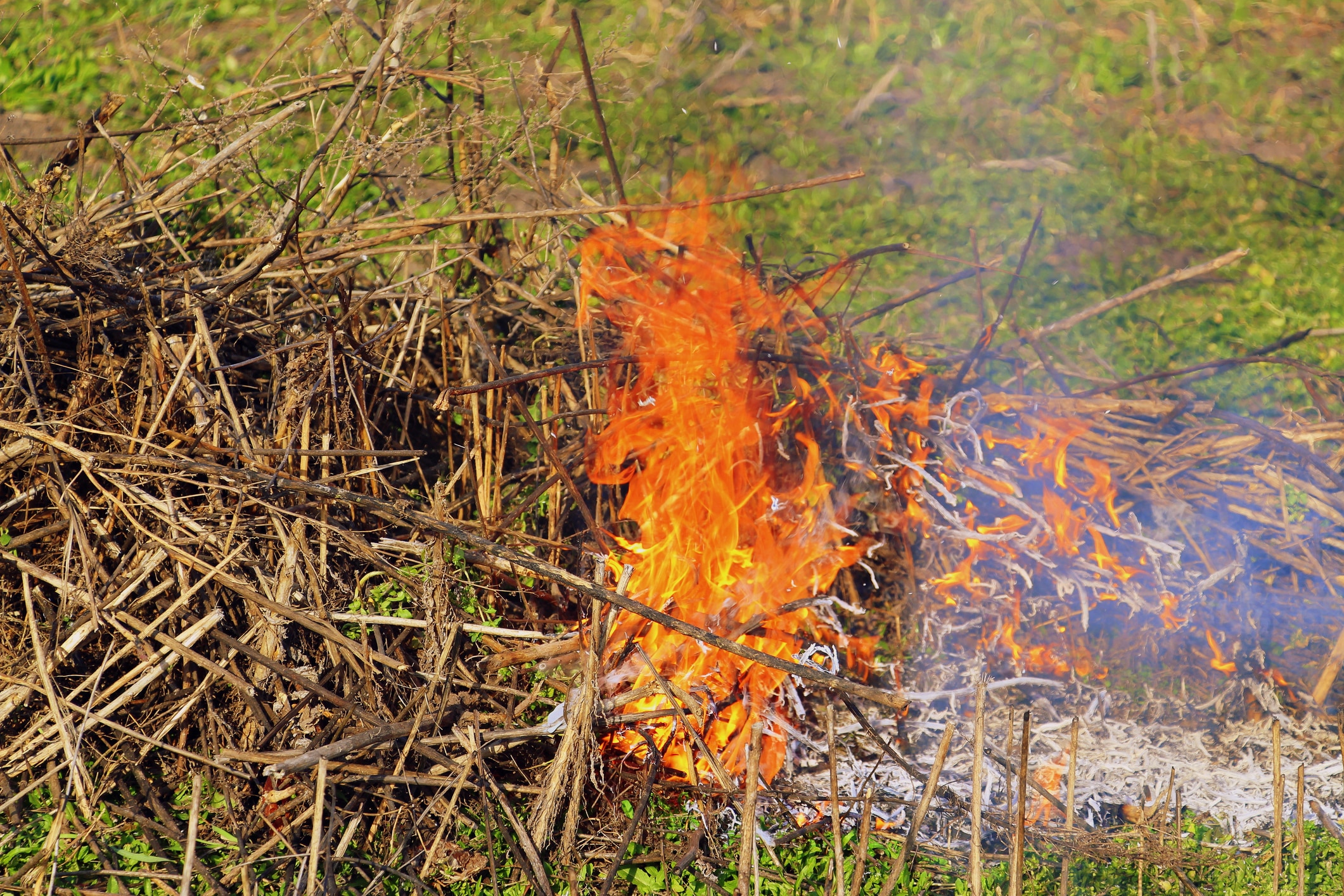


With the UK experiencing record-breaking temperatures this summer, there is an increased risk of fire, with fire services suggesting that this is due to dry conditions and low humidity that remove moisture from grass and shrubs, making it easier for fires to start and spread.
Whilst wildfires continue to take hold both in the UK and across Europe, it’s a good time to think about the fire risks that are closest to home.
According to our recent study on homes in high-risk areas, the postcode areas whose housing stock carries the biggest fire risk are Durham, Tunbridge Wells and Ipswich.
Factors such as timber frames, outdated electrical systems, and open fireplaces or wood burners can contribute to a home’s fire risk. Those features matter outdoors too: where an older, timber-framed property sits close to a wooden fence, shed or dry border, a garden fire has a much easier route into the building itself.
Here are five hidden fire risks in your garden to watch out for:
#1 Bark mulch and dry borders
If your garden is full of mulch, dead ornamental grasses or leaves, this is the sort of environment in which a fire can thrive, especially if it’s piled up against a wall or under a window.
All it takes is a bit of cigarette ash or a BBQ ember to sit there for a few hours, and your garden could be up in flames.
Consider clearing a border around the building, or near a fence, to reduce the risk.
You can swap bark mulch by walls/windows for gravel, keeping at least a 50cm firebreak by fences and sheds.
#2 BBQs, fire pits, and chimineas
BBQs, fire pits and chimeneas are commonplace during summer, but you may not realise that ash stays hot for far longer than you think, and used embers can be a major hazard.
Always position BBQs well away from structures and overhanging plants, keeping a lid on or nearby.
A stray ember that gets in the wrong place can smoulder for hours, so keep your BBQ contained while cooking and let the ash cool completely, then place it in a metal (not plastic) lidded container to cool for 24-48 hours before disposal – never place hot or warm ash in household bins, dry borders or compost heaps.
This is one of the most avoidable causes of claims, as most insurance policies expect you to take reasonable care, so a fire caused by carelessness could affect the outcome of a claim.
If you have a chiminea, make sure it’s kept on a non-flammable, flat surface like concrete or stone. Avoid putting it on wooden decking or grass and keep it well away from garden sheds or wooden fences.
If you have a gas BBQ, store spare gas cylinders outdoors, never in sheds or garages. When transporting and storing gas cylinders, always keep them upright.
#3 Timber sheds
Not only are many sheds made from wood – a highly flammable material – they also tend to contain equipment and liquids like petrol, solvents, and aerosols. This means if the shed catches alight, a fire can spread fast.
As a precaution, keep flammable materials out of the shed and limit how much you store, as they could make a fire worse, or potentially breach your policy conditions. If you do need to store flammable materials, use approved containers, keeping them at least 1m from the shed’s exterior. You can also fit a battery-powered heat alarm rated specifically for outbuildings.
It’s also worth checking your policy’s wording, definitions for main property and outbuildings, and contents limits (including single-article limits for tools, e-bikes etc).
#4 Glass and mirrored ornaments
Dotting mirrors and other ornaments around the garden might look good, but sunlight can easily bounce off reflective items and pose a fire risk.
Position them out of direct sunlight and away from combustible materials such as compost bins, so you can still enjoy them without the risk. If in doubt, consider ornaments with non-reflective finishes.
#5 Lithium-ion batteries
One fast-growing cause of fires in the UK is lithium-ion batteries. Lithium-ion batteries can be found in everyday items that may be stored in the garden, such as e-bikes, mowers, and power tools.
Exposing them to high temperatures can cause a chain-reaction explosion if they overheat, potentially releasing flammable and toxic gases and producing intense, fast‑spreading fires.
Most home insurance policies will have conditions around charging or storage of these, so it’s best to ensure lithium batteries are charged indoors, on a hard surface and never left unattended overnight.
Our tips:
- Use only manufacturer‑approved chargers – look for UKCA/CE marks.
- Stop charging devices when their battery is full.
- Don’t charge a device if the battery is damaged, swollen, hot, or emitting a smell.
- Allow batteries to cool after use before charging.
- Dispose of used or unwanted batteries via designated recycling points.
If a fire starts:
- Call 999 immediately.
- Don’t move hot BBQs/cylinders or burning items.
- Only tackle very small fires with the right equipment if it’s safe to do so.
- Meet at a designated safe point.
- Begin documenting damage with photos once it’s safe to do.