

which household items pose the biggest house fire risk?


New research has highlighted the rise of lithium-ion battery fires, with UK firefighters responding to nearly five per day, an increase of 147% since 2022.
These fires are particularly dangerous because lithium-ion batteries can cause a chain reaction explosion if they overheat, potentially releasing flammable and toxic gases and producing intense, fast‑spreading fires.
People may not realise that some of the biggest risks can come from everyday items we charge in our homes using lithium-ion batteries.
Which lithium-ion battery-Powered household appliances pose the biggest risk?
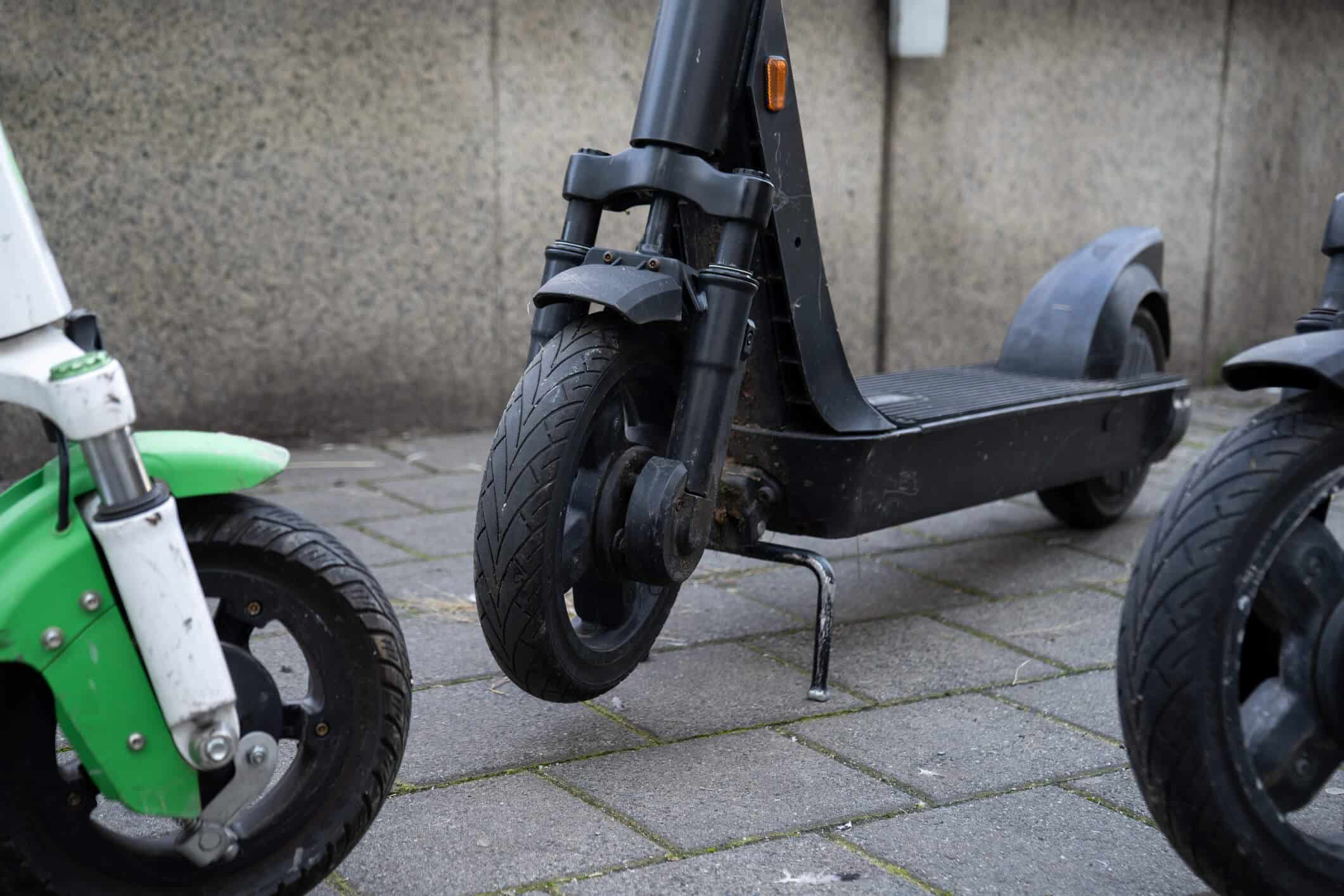
#1 E-bikes and scooters
London firefighters attended more than 200 fires caused by e-bikes and e-scooters in 2025.
Due to the size of the batteries used and the need to charge them for extended periods, e-bikes and scooters pose a high risk as they’re often left to charge unattended, which can increase the risk of a fire spreading. It’s best to avoid unattended charging, especially while asleep, and never charge e-bikes or e-scooters in escape routes.
It’s important to check both your battery and charger meets UK safety standards, featuring a UKCA or CE mark – these should be purchased from recognised bike retailers, manufacturers’ official websites, or established online stores, which include a warranty.
#2 Mobile and rechargeable devices
Easily overlooked for fire risks – phones, laptops and tablets all rely on lithium-ion batteries, with consistent charging for long periods increasing the risk of overheating.
If your device is damaged from being dropped, charged using replacement chargers, or left plugged in on beds and soft furnishings, it can also increase the fire risk.
#3 Chargers and power banks
As they are often transported in bags and purchased from retailers with varying safety standards, power banks and portable chargers can be hazardous.
Previous research shows that a very high percentage of fake or non-branded chargers put consumers at increased risk of electric shock or fire. The three-point safety check has some useful pointers on what to look for when buying a charger.
#4 Cordless vacuum cleaners
The fire hazard isn’t just limited to tech. Home appliances, such as cordless vacuum cleaners, are charged using large lithium-ion batteries and may be left recharging in kitchens and utility rooms for long periods of time.
If a battery explodes in any of these areas, a fire could spread rapidly through your home.
It’s best to charge and store on a hard, non‑combustible surface away from escape routes. Follow the manufacturer’s guidance and avoid third‑party or damaged battery packs.
Here’s how consumers can help reduce the risk of fire:
Lithium-ion battery fires can quickly escalate and may cause extensive smoke and fire. In many cases, this damage can be incredibly expensive to repair, which is why taking the right precautions and having the right home insurance can provide peace of mind. All insurance policies are different, so always read your policy terms when you take out a policy to understand what you are and aren’t covered for.
Avoid overnight charging for the devices and appliances listed above and make sure to use the manufacturer-approved charger to minimise possible fire risks. If a device has been damaged, have it checked by a professional to make sure it’s safe for use. Most importantly, never charge devices on beds, soft furnishings, or in escape routes, and unplug them once fully charged.
Homeowners may also want to review their contents insurance to ensure higher-value items such as e-bikes, laptops, and expensive gadgets are adequately covered.
Due to the higher risk from e-bikes and scooters, insurers may require notification if they’re charged and kept in your home, for contents insurance and accidental damage purposes.
It’s also worth checking you have considered fire protection with adequate smoke alarms and heat detectors in your home, and that these are tested regularly – particularly in kitchen and utility areas.
Finally, tools such as the home risk calculator can also help you check out other home risks and take practical steps to protect your property.