

UK’s Empty Homes Revealed as Property Guardianship Searches Rise 24%
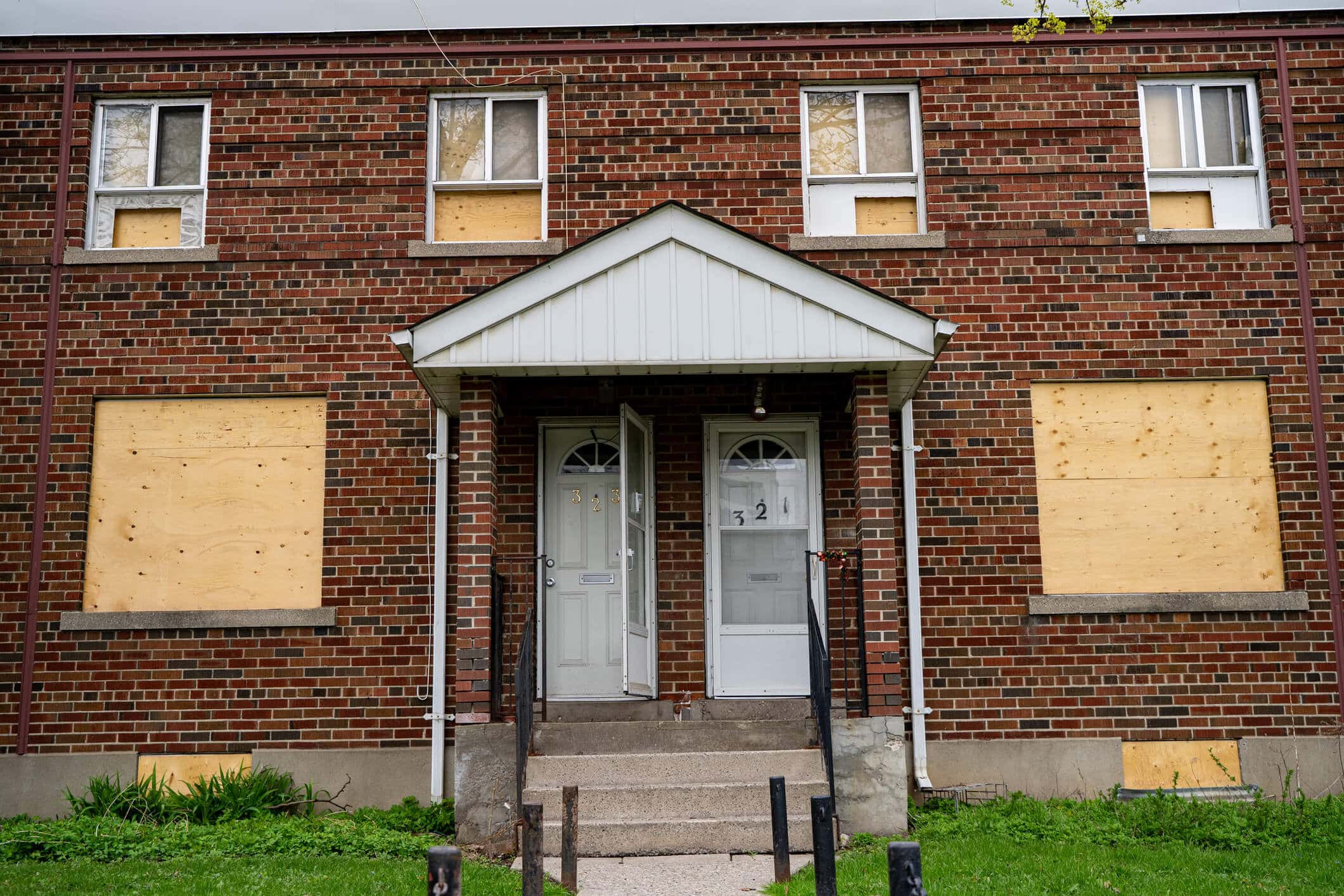


With UK housing costs rising more than 40% over the last five years for renters and owners, many Brits may be seeking alternative housing solutions. Whilst some may be considering emigration, another solution is property guardianship.
This refers to an agreement where individuals pay for short-term, yet affordable rent to act as a ‘guardian’ for what is often an unoccupied building or property, thereby deterring break-ins and squatting.
Interest in the concept is rising. Over the last 12 months in the UK, there have been an average of 3,600 monthly searches for ‘property guardianship’ on Google, up 24% vs 2022. This trend is also gaining traction on social media platforms like TikTok, with Brits documenting their experiences living in unusual spaces.
Where in the UK has the most property guardianship opportunities?
According to the latest 2025 data, there are presently 754,000 vacant properties in England, which is approximately 2.9% of all English homes.
Homeprotect conducted analysis* to discover where in the UK is home to the most unoccupied properties, as well as where has the highest volume in proportion to its total dwellings.
The most unoccupied properties are in Greater London, with over 100,000 empty homes – 2.8% of houses in the area overall. Other major cities, such as Birmingham and Leeds, have a high volume of unoccupied properties.
But Teesdale in County Durham has the highest proportion of its homes that are unoccupied. With 778 unoccupied properties, 6.5% of its 12,000 dwellings are left empty. The Isles of Scilly and Wear Valley complete the top three locations, with 6.3% and 5.9% of their homes unoccupied, respectively.
The Isles of Scilly have had the biggest increase in the number of unoccupied properties between 2015 and 2025, rising from 8 to 63 – a 688% increase.
Milton Keynes, Hounslow, York, and Harrow have also seen significant changes.
David Joyson, Chief Customer Officer at specialist home insurer, Homeprotect, says:
“The growing trend of property guardianship may seem like an affordable solution to rising rent costs in the UK – particularly in sought-after areas. But people should be aware that living in an abandoned place can carry additional risks.
#1 Lack of security and safety
“Abandoned, larger, semi-derelict or previously empty buildings – such as former schools or office – may be prime target for vandals and thieves, and they can be harder to secure properly.
“This can put both you and your belongings at greater risk.”
#2 Greater exposure to fire hazards
“Buildings not designed for residential use may not meet domestic fire safety standards.
“If people are sharing the facilities, the use of portable cooking equipment, heaters, or overlooked electrical sockets can increase the likelihood of a fire.
“If you do take on a guardianship for a property, you should ask for the building’s Fire Risk Assessment, It’s also worth thinking about your own fire safety precautions, including a battery-powered smoke alarm, keeping a fire blanket in the space and being careful with kitchen equipment such as air fryers.”
#3 Potential health hazards
“Previously vacant properties can suffer from issues such as damp and mould, asbestos exposure, structural instability, or pest infestations.
“These problems can pose serious risks to occupants’ health and wellbeing, so it’s important to ask the property guardian agency for the building’s Asbestos Survey and do a thorough visual check for other issues – a persistent, musty odour, condensation on windows and black, white or green spots in corners, on ceilings or around windows can be signs of damp or mould, with droppings, gnaw marks or small piles of sawdust being a sign of rodent or insect infestation.”
#4 Limited legal and insurance protection
“Property guardians are typically licensees rather than tenants, which means fewer legal rights, shorter notice periods, and less security of tenure.
“If your occupancy status is unclear, you may face challenges securing appropriate insurance cover for your belongings or household circumstances.”
Warning to property owners
“On the flip side, property owners considering finding a guardian should be aware that allowing someone to live in your property while it’s vacant can affect your home insurance eligibility.
“Without suitable alternative cover in place, owners could risk having no protection for events such as fire, theft, storm, or flood damage.”
You can see the full study into unoccupied properties and motivations.
Methodology
*Homeprotect collected data from Google Keyword planner to identify the growing trend of ‘property guardianship’.
**We then analysed government data on the number of occupied and unoccupied dwellings.
We compared the latest amount of ‘all vacant dwellings’ from Live Table 615: Vacant Dwellings by Local Authority District with Table 125: Dwelling Stock Estimates by Local Authority District (rounded figures). We divided the ‘all vacant dwellings’ data by the ‘vacant dwellings’ data to calculate the proportion of unoccupied properties in each area.
When 2025 data in either dataset was not available, we used the previous year when data was available.
Sources: